

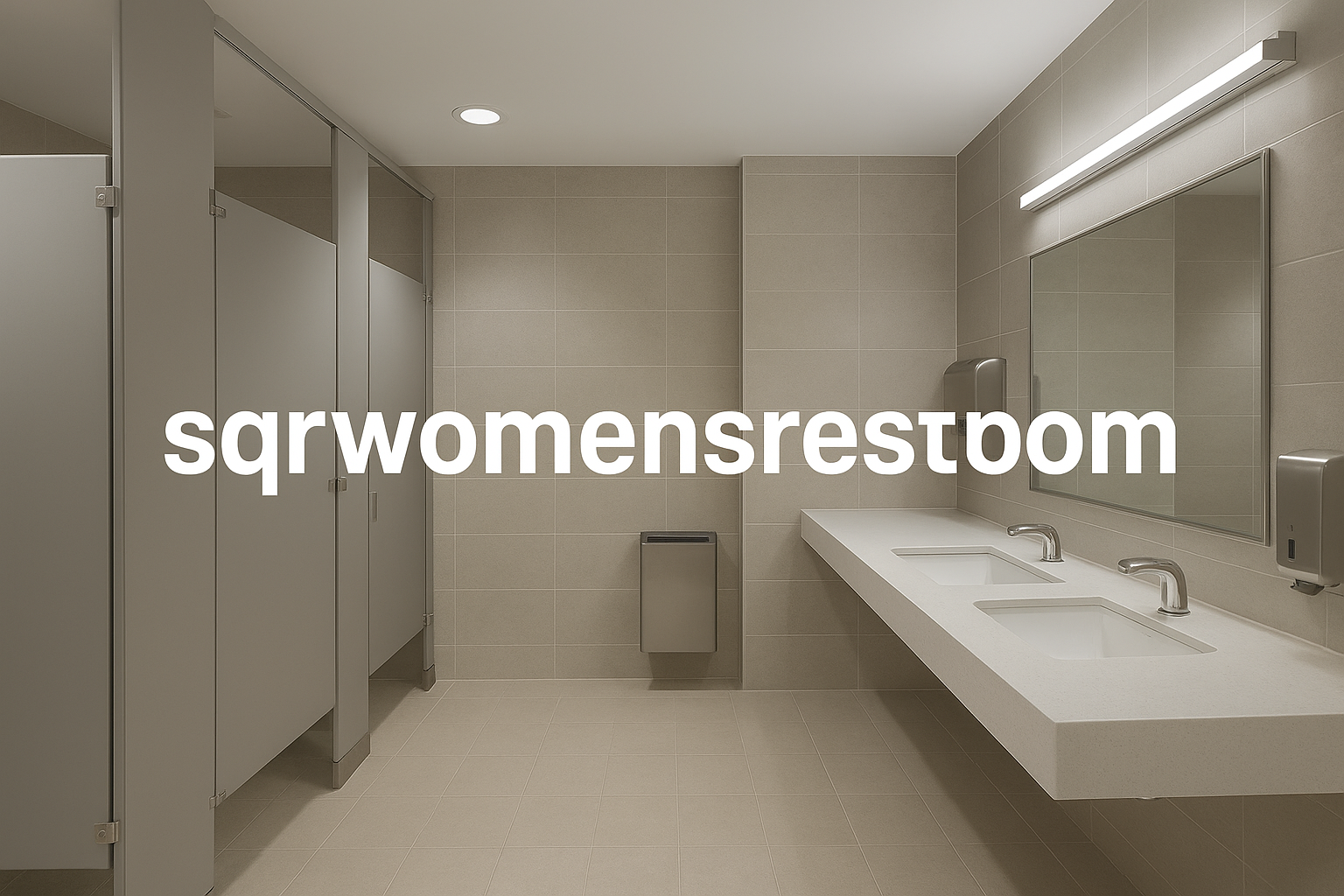
Public restrooms are often overlooked when designing a building, yet they are among the most frequently used spaces. A sqrwomensrestroom is not just a utility room; it is a reflection of respect, safety, and inclusivity for women. The concept focuses on privacy, hygiene, and comfort while meeting modern expectations of accessibility and design. This guide explores what makes a sqrwomensrestroom effective, how it supports different users, and why it should be a priority for facility managers, architects, and business owners.
Why sqrwomensrestroom Design Matters
Restroom design directly impacts how visitors feel in a space. Poor lighting, limited privacy, or unhygienic conditions can leave negative impressions. A sqrwomensrestroom that prioritizes comfort and accessibility improves user satisfaction, reduces complaints, and demonstrates a commitment to care. For businesses, it can influence customer loyalty and workplace morale. For public spaces, it enhances inclusivity and safety. In every context, a sqrwomensrestroom shows that practical needs and human dignity go hand in hand.
Core Principles of sqrwomensrestroom Planning
Every sqrwomensrestroom should follow four guiding principles: privacy, accessibility, hygiene, and safety. Privacy ensures users feel secure, with stall designs that eliminate gaps or intrusive sightlines. Accessibility makes the restroom usable for all, including wheelchair users, caregivers, and parents with young children. Hygiene focuses on surfaces and fixtures that are easy to clean and maintain. Safety involves both physical security — such as well-lit entryways — and psychological comfort. These principles form the foundation of every well-designed sqrwomensrestroom.
Practical Fixtures and Modern Features
The strength of a sqrwomensrestroom lies in its details. Motion-activated faucets, soap dispensers, and flush systems reduce contact points and limit the spread of germs. Sturdy locks, full-height stalls, and sanitary bins inside each cubicle improve privacy and convenience. Baby-changing stations, bag hooks, and wide countertops address everyday needs. Clear signage and intuitive layouts make navigation easy, while durable surfaces keep the space looking fresh despite high traffic. These small improvements combine to make the sqrwomensrestroom efficient, clean, and user-friendly.
Lighting, Materials, and Acoustic Comfort
Lighting sets the tone for a restroom. A sqrwomensrestroom with soft, even lighting feels safe and welcoming, unlike spaces with harsh shadows or poor visibility. Materials should be durable, stain-resistant, and easy to clean, ensuring long-term usability. Acoustic design is equally important; sound-absorbing panels and thoughtful stall construction reduce noise, giving users a sense of privacy. Together, these elements create a sqrwomensrestroom that is not only functional but also pleasant to use.
Maintenance and Operational Excellence
No design succeeds without proper upkeep. Facility managers should establish cleaning schedules, restocking routines, and quick response systems for repairs. Staff training is crucial, emphasizing both efficiency and respect for the space. A sqrwomensrestroom that is checked frequently and maintained consistently reflects professionalism and care. Emergencies such as broken locks or empty dispensers should be addressed immediately, as even small issues can affect user trust and satisfaction.
Inclusivity and Safety Considerations
A sqrwomensrestroom must serve diverse needs. Inclusive design means providing accessible stalls, baby-changing tables at practical heights, and family-friendly options where possible. Safety can be reinforced with clear sightlines near entrances, emergency call buttons, and bright exterior lighting. These features reassure users that the sqrwomensrestroom is both reliable and safe, creating a positive experience for everyone.
Continuous Improvement and User Feedback
Restrooms are high-traffic spaces that benefit from ongoing feedback. Anonymous comment systems or digital reporting tools help managers understand real user experiences. Regular reviews allow for improvements such as upgrading fixtures, adjusting cleaning routines, or improving signage. When users notice that feedback leads to change, trust in the sqrwomensrestroom grows, reinforcing its role as a dependable facility.
Measuring Success in Restroom Design
The success of a sqrwomensrestroom can be measured through fewer complaints, cleaner appearances, reduced maintenance costs, and positive comments. For businesses, customer satisfaction and repeat visits often increase. For workplaces, staff morale and comfort rise. By tracking these outcomes, stakeholders can prove the value of restroom investment and secure support for future upgrades.
Conclusion
A sqrwomensrestroom is more than a necessity; it is a statement of respect, safety, and inclusion. From thoughtful stall layouts to durable fixtures and continuous maintenance, every detail contributes to a better user experience. Investing in this design philosophy not only improves daily comfort but also demonstrates a commitment to dignity, accessibility, and long-term efficiency. In short, a sqrwomensrestroom is where practical design meets human-centered care.
FAQs
Q1: What makes a sqrwomensrestroom different from a standard restroom?
It emphasizes privacy, accessibility, and hygiene through thoughtful design and modern fixtures.
Q2: Why is lighting so important in a sqrwomensrestroom?
Good lighting improves safety, comfort, and the overall sense of security for users.
Q3: How often should a sqrwomensrestroom be inspected?
High-traffic facilities should be checked several times daily, while smaller sites need at least one scheduled inspection per day.
Q4: What features improve inclusivity in a sqrwomensrestroom?
Accessible stalls, baby-changing stations, clear signage, and safe entryways support inclusivity.
Q5: How can managers gather useful feedback?
Placing comment cards or digital QR codes encourages users to share concerns, which helps refine operations.