

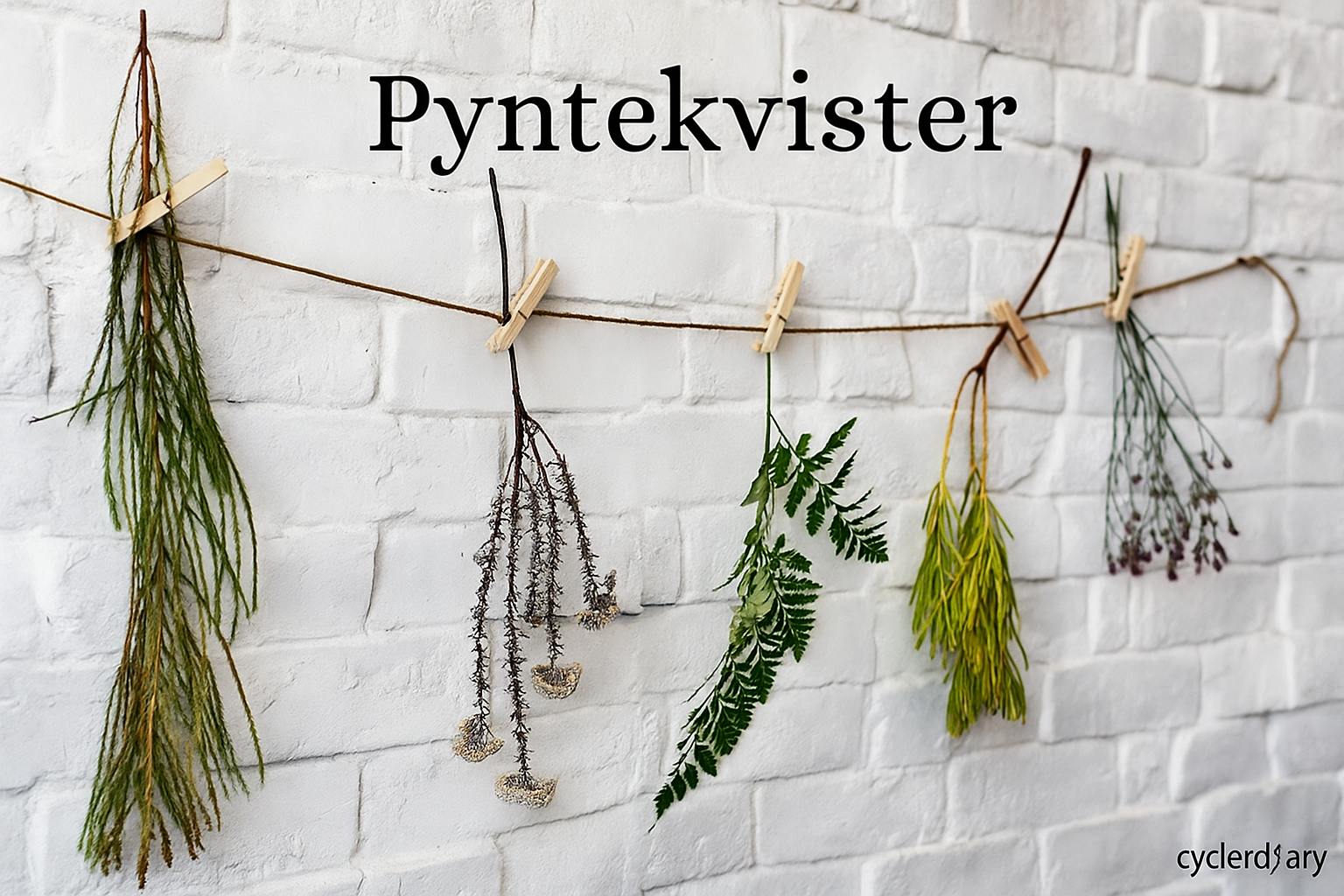
Decorating with nature is one of the oldest and most charming ways to bring warmth and personality into a home. Among the many natural elements used in interior design, pyntekvister stand out for their beauty, versatility, and simplicity. These decorative branches have become increasingly popular in Scandinavian-inspired décor, as they blend functionality with elegance. Whether used in homes, offices, or special events, pyntekvister add a timeless touch that connects people with nature.
What Are Pyntekvister
The term pyntekvister comes from Scandinavian languages, where “pynte” means to decorate and “kvister” means twigs or branches. In simple terms, they are decorative twigs arranged in different ways to enhance the look of a room or a celebration. Pyntekvister can be natural branches gathered from trees such as willow, birch, or eucalyptus, or they can be crafted from artificial materials to provide long-lasting beauty. Both options are widely used depending on the style and durability one prefers.
Why Pyntekvister Are Popular
The popularity of pyntekvister lies in their ability to match a wide range of styles. They fit perfectly into minimalist Scandinavian homes where natural elements play a central role. These branches are not only affordable but also versatile, blending with rustic, modern, and even bohemian interiors. Their natural textures and unique shapes allow decorators to create visually appealing arrangements without spending a fortune.
Types of Pyntekvister
Pyntekvister come in many varieties, each offering a different aesthetic.
- Natural branches provide authenticity and rustic charm, perfect for cozy spaces.
- Artificial branches are made of silk, plastic, or other materials and are long-lasting.
- Painted branches in shades like white, gold, or metallic silver are often used for modern interiors.
- Seasonal branches are decorated with blossoms, lights, or ornaments to reflect different times of the year.
This wide range of choices allows decorators to experiment and adapt pyntekvister to suit different occasions.
Creative Uses of Pyntekvister at Home
Pyntekvister can be styled in countless ways to create unique atmospheres at home. A tall vase filled with branches can become a centerpiece in the dining room. Smaller arrangements can decorate shelves, coffee tables, or nightstands. In living rooms and bedrooms, adding fairy lights to pyntekvister creates a cozy glow. They also work beautifully in entryways, offering a natural welcome to guests as soon as they step inside.
Seasonal Decorating with Pyntekvister
One of the biggest advantages of pyntekvister is how easily they adapt to different seasons.
- Spring: Decorate with pastel ornaments or fresh blossoms.
- Summer: Add green eucalyptus or fresh leaves for a vibrant look.
- Autumn: Combine with dried leaves, berries, and earthy tones.
- Winter: Use painted or frosted branches decorated with festive ornaments and lights.
This flexibility makes pyntekvister a year-round decorating solution that can be refreshed whenever the season changes.
Benefits of Using Pyntekvister
There are many reasons why pyntekvister remain a favorite choice for decorators. They are inexpensive, and in some cases completely free if collected directly from nature. They are environmentally friendly, especially when sourced responsibly. Artificial options, on the other hand, are reusable and require minimal care. Above all, they are versatile and can be adapted to any style or occasion, from rustic weddings to modern apartments.
Pyntekvister for Events and Celebrations
Event decorators often rely on pyntekvister for their ability to create dramatic yet natural designs. At weddings, they serve as centerpieces that add height and elegance to tables. At corporate events, they can be styled with candles or ornaments to create a sophisticated atmosphere. Birthday parties and holiday gatherings also benefit from pyntekvister arrangements, which can be easily customized with seasonal decorations.
Caring for Pyntekvister
Maintaining pyntekvister is simple. Natural branches should be kept dry and occasionally dusted to maintain their appearance. Over time, they may need to be replaced as leaves or bark naturally fall off. Artificial branches require only light cleaning and can be stored safely for repeated use. With minimal care, pyntekvister remain a beautiful part of your décor for months or even years.
Styling Tips for Beginners
For those new to decorating with pyntekvister, it is best to start small. Place a few twigs in a clear glass vase and position them in a well-lit corner. Experiment with mixing different sizes and shapes until you find a style that suits your space. Adding other natural elements like dried grasses or fresh flowers can enhance the overall arrangement. As you grow more comfortable, you can explore larger projects such as hanging installations or festive displays.
Conclusion
Pyntekvister are much more than simple branches. They are natural design elements that bring life, character, and elegance into homes and celebrations. Whether arranged in a vase, decorated with lights, or styled for special events, they offer endless creative possibilities. Affordable, sustainable, and timeless, pyntekvister are a simple yet powerful way to embrace nature in everyday life.
FAQs
What are pyntekvister?
They are decorative branches or twigs used in interior design and event decoration to create natural beauty.
Can pyntekvister be used all year round?
Yes, they can be adapted for every season by adding flowers, lights, or ornaments.
Are artificial pyntekvister better than natural ones?
Artificial branches last longer and need less care, while natural ones provide authentic charm.
How do you style pyntekvister at home?
They can be placed in vases, arranged on tables, hung with lights, or decorated for special occasions.
Why are pyntekvister popular in Scandinavian design?
They reflect the minimalist, nature-inspired style that defines Scandinavian interiors.