

Managing a workplace today is very different from what it was even ten years ago. Organizations now deal with hybrid teams, remote employees, constant digital communication, and growing expectations around wellbeing and flexibility. At the same time, companies still need structure, consistency, and results. This balance is where workplace management ewmagwork becomes especially relevant.
Rather than relying on outdated control-based systems, modern workplace management focuses on designing environments where people can work effectively without unnecessary stress. It looks beyond job titles and office layouts and focuses on how work actually flows day to day. When done well, workplace management supports productivity, clarity, and satisfaction at the same time.
What workplace management ewmagwork really represents
Workplace management ewmagwork is not a trend or a single framework that can be copied and pasted into every organization. It represents a practical way of thinking about how workplaces are structured and supported. At its heart, it connects four key areas: people, work processes, space, and technology.
The goal is simple but powerful. Reduce friction, remove confusion, and create systems that help people do their best work. This approach recognizes that most workplace problems are not caused by a lack of effort, but by unclear expectations, poor coordination, and environments that do not match how people work.
In everyday practice, workplace management influences how meetings are run, how tasks are assigned, how offices are used, and how digital tools are organized. These small decisions shape the daily experience of work far more than mission statements or policies.
Why traditional management approaches often fail
Many organizations still rely on management models designed for a very different era. These models assume that work is linear, predictable, and location-based. They focus heavily on supervision and reporting rather than collaboration and flow.
In modern workplaces, this often leads to several problems:
- Too many meetings with little value
- Employees unsure about priorities
- Communication scattered across platforms
- Office spaces that are uncomfortable or inefficient
- Managers overwhelmed with coordination work
Workplace management ewmagwork addresses these problems by redesigning systems instead of pushing people to work harder within broken structures.
Key dimensions of workplace management
To understand how workplace management works in practice, it helps to explore its main dimensions in more detail.
Leadership and accountability
Strong workplace management begins with leadership clarity. Leaders set the tone for how work is organized and how people interact. This does not mean strict control. It means clear direction, consistent expectations, and fair accountability.
In a well-managed workplace, employees understand what success looks like and how their work contributes to larger goals. Managers focus on enabling progress rather than monitoring every detail. This builds trust and reduces micromanagement.
Workflows and task coordination
Workflows are the backbone of daily operations. Without clear workflows, teams waste time figuring out who should do what and when. Workplace management ewmagwork encourages organizations to define and simplify their workflows so work moves forward with fewer delays.
This includes clarifying responsibilities, reducing unnecessary approval layers, and standardizing how progress is tracked. When workflows are visible and predictable, collaboration becomes easier and more reliable.
Physical and digital environments
The environment where work happens shapes behavior. A noisy office reduces focus. A cluttered digital workspace increases frustration. Workplace management considers both physical and digital environments as equally important.
In physical offices, this means thoughtful layout, access to quiet spaces, and meeting areas that support collaboration without disruption. In digital environments, it means organized information, clear communication channels, and shared standards for documentation and messaging.
Technology alignment
Technology should support workflows, not dictate them. Many organizations struggle because they adopt tools without clear guidance on how to use them. This creates inconsistency and confusion.
A workplace management approach ensures that technology choices are intentional. Tools are selected based on real needs, integrated into workflows, and supported with clear usage guidelines. This reduces tool overload and improves efficiency.
The role of workplace management ewmagwork in employee wellbeing
Wellbeing is no longer a secondary concern. It is closely tied to performance, retention, and organizational reputation. Poorly managed workplaces contribute to stress, burnout, and disengagement.
Workplace management plays a direct role in wellbeing by:
- Reducing unnecessary interruptions
- Clarifying priorities and expectations
- Supporting flexible work arrangements
- Designing spaces that support focus and comfort
- Encouraging healthy communication norms
When work is structured realistically, employees feel more in control of their time and energy. This leads to better mental health and more sustainable performance.
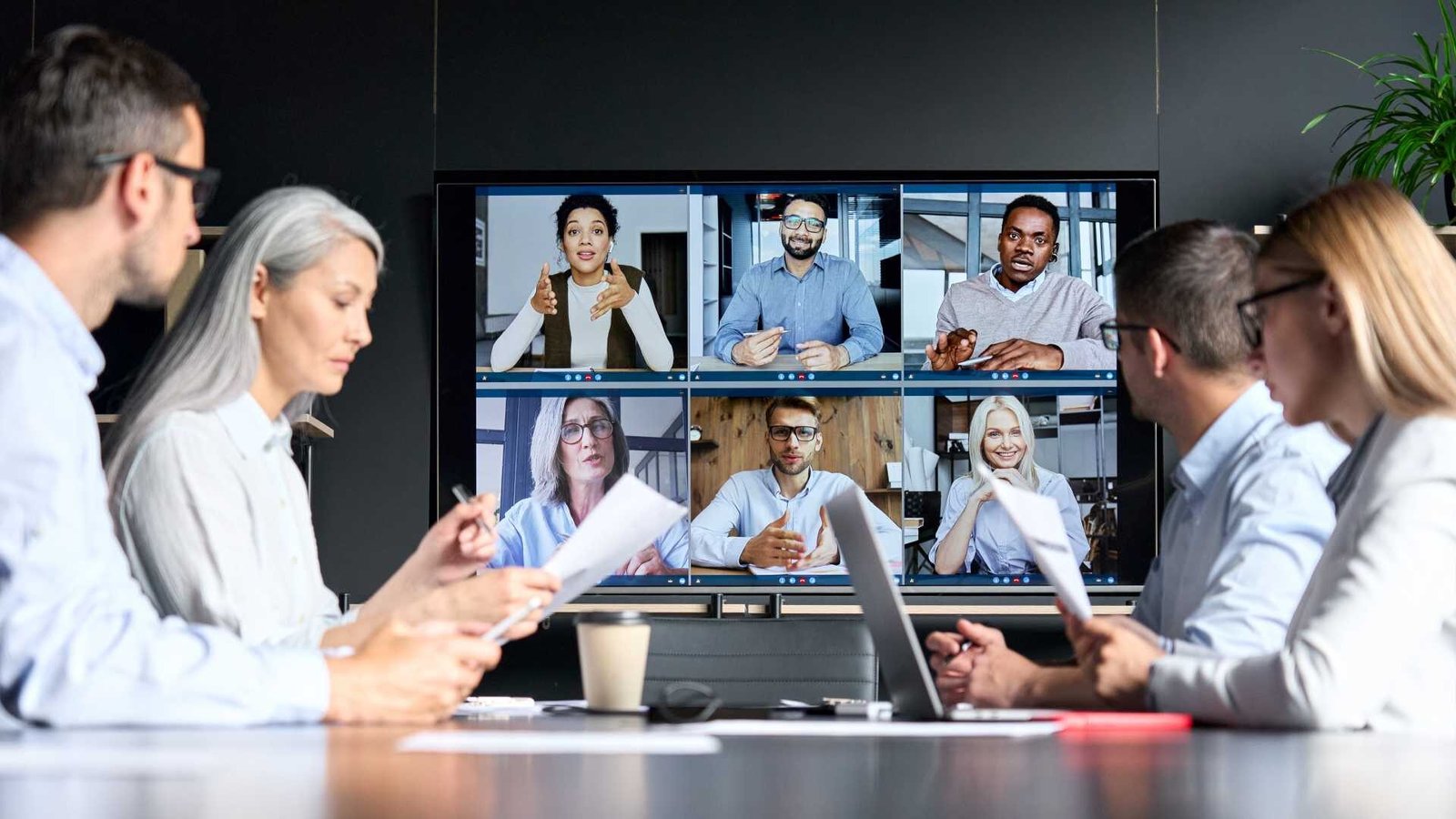
Workplace management in hybrid and remote settings
Hybrid and remote work have created new challenges for workplace management. Informal communication is reduced, visibility decreases, and coordination becomes more complex.
Workplace management ewmagwork helps address these challenges by creating shared systems that do not depend on physical proximity. Clear documentation, transparent workflows, and agreed communication standards ensure that everyone stays informed regardless of location.
Hybrid workplaces also benefit from clear guidelines on when in-person collaboration is valuable and when remote work is more effective. This prevents unnecessary office attendance while maintaining team connection.
Steps to building an effective workplace management system
Implementing workplace management improvements does not require radical change. It requires intentional design and consistent follow-through.
Step one: observe and listen
The first step is understanding how work actually happens. This involves observing routines, reviewing workflows, and listening to employee feedback. Pain points often reveal where structure is missing or outdated.
Step two: define priorities
Not every issue needs to be solved at once. Identify the problems that cause the most friction or waste the most time. These should become the first focus areas.
Step three: design practical solutions
Solutions should be simple and realistic. Complex systems rarely work. Whether it is a new meeting structure, clearer task ownership, or improved space usage, changes should fit naturally into daily work.
Step four: communicate clearly
People adopt changes more easily when they understand the purpose. Clear communication about why changes are made and how they help builds trust and cooperation.
Step five: support adoption
Training, examples, and leadership support are essential. Managers should model new behaviors and help teams adjust without pressure.
Step six: review and improve
Workplace management is ongoing. Regular check-ins help identify what is working and what needs adjustment. Continuous improvement keeps systems effective and relevant.
Measuring the impact of workplace management
While workplace management focuses on experience, its impact can be measured in practical ways. Common indicators include reduced meeting time, faster project completion, improved employee feedback, and better space utilization.
Qualitative feedback is just as important. When employees report less confusion, better focus, and smoother collaboration, workplace management efforts are likely working.
Mistakes to avoid when improving workplace management
Some common mistakes can weaken workplace management initiatives.
One mistake is treating workplace management as a one-time project. Without ongoing attention, improvements fade and old habits return.
Another mistake is ignoring cultural differences between teams. A system that works for one team may need adjustment for another.
Finally, over-standardization can reduce flexibility. Workplace management should support work, not restrict it.
Long-term benefits of strong workplace management
Organizations that invest in workplace management ewmagwork often see lasting benefits. These include stronger collaboration, better adaptability during change, higher employee satisfaction, and more consistent performance.
Over time, a well-managed workplace becomes a competitive advantage. It attracts talent, supports growth, and enables teams to handle complexity with confidence.
Conclusion
Workplace management ewmagwork provides a structured yet flexible approach to organizing modern workplaces. By focusing on clarity, coordination, and supportive environments, it helps organizations move beyond constant firefighting and toward sustainable performance.
In a world where work continues to evolve, effective workplace management is not optional. It is essential for creating workplaces where people can thrive and organizations can grow.
FAQs
What is workplace management ewmagwork?
Workplace management ewmagwork is a modern approach to organizing work systems that align people, workflows, spaces, and tools to improve efficiency and employee experience.
Is workplace management suitable for growing organizations?
Yes. As organizations grow, clear structures and workflows become more important to prevent confusion and inefficiency.
How does workplace management support productivity?
It reduces friction by clarifying expectations, improving workflows, and creating environments that support focus and collaboration.
Can workplace management work without an office?
Yes. Workplace management applies equally to remote and hybrid environments by focusing on systems, communication, and coordination rather than location.
What is the biggest benefit of workplace management?
The biggest benefit is smoother daily work, where employees spend less time navigating problems and more time producing meaningful results.