

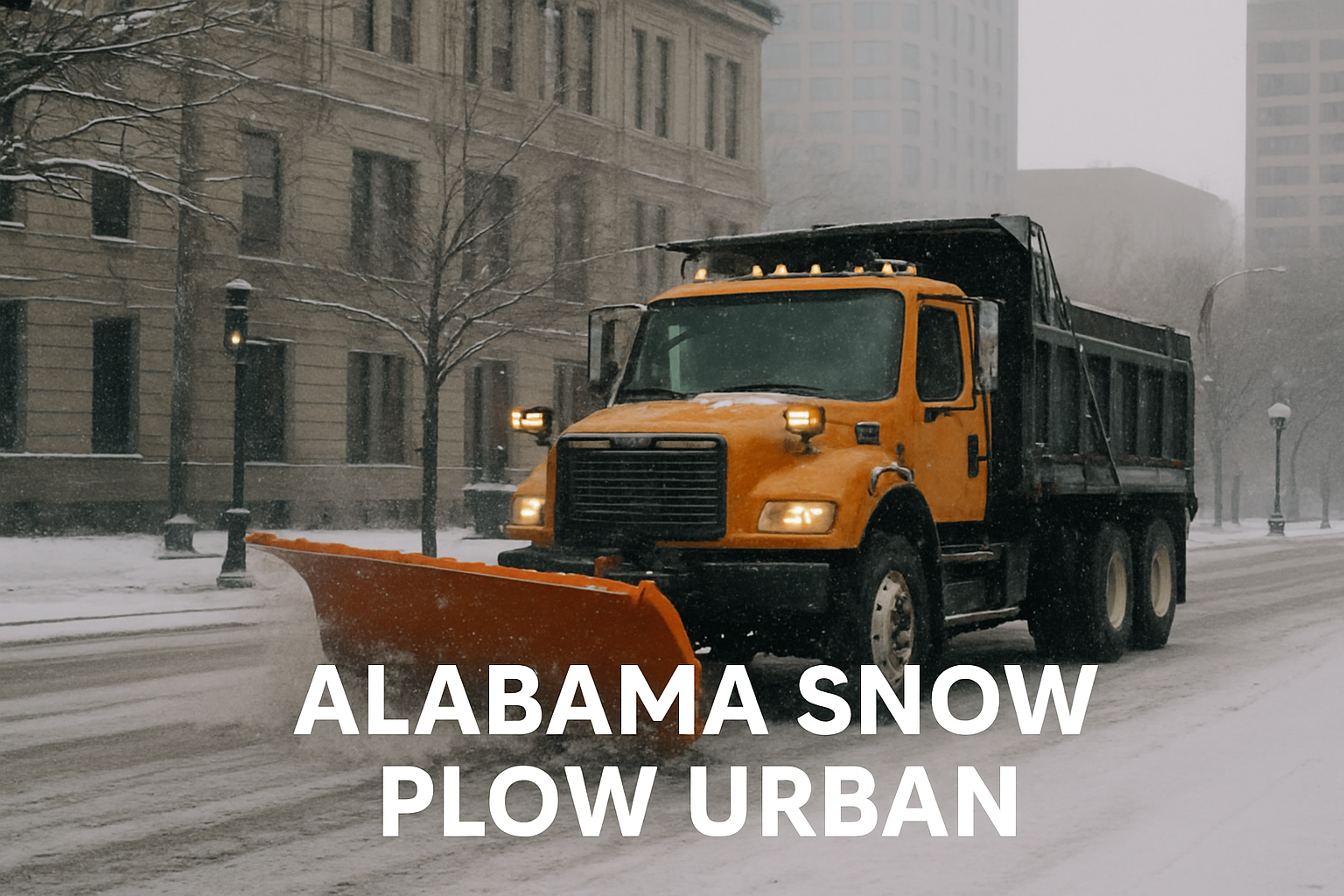
When most people imagine snow removal, they think of northern states where winter storms are a yearly challenge. But even in Alabama, rare snow and ice events can bring daily life to a sudden stop. Roads become dangerous, schools close, and businesses lose valuable hours of productivity. That is why the concept of Alabama Snow Plow Urban preparation is more important than many realize. Cities across the state may not face winter storms often, but when they do, smart planning and quick response make all the difference.
The Importance of Snow Removal in Alabama Cities
Urban centers such as Birmingham, Huntsville, and Montgomery are not built with heavy snow in mind. Streets are often hilly, traffic is dense, and residents are not used to winter driving. A single layer of ice can lead to widespread accidents and blockages. Alabama Snow Plow Urban strategies focus on clearing high-priority routes to maintain movement during storms. Emergency services, hospital access, and main highways are always first on the list, ensuring public safety while the rest of the city gradually recovers.
Why Southern Snowstorms Are So Disruptive
Snowfall in Alabama behaves differently from snow in northern regions. Warmer ground temperatures often turn fresh snow into slush, which quickly freezes into ice overnight. Unlike fluffy snow, this icy layer is much harder to plow and can shut down roads for days. Since Alabama cities do not budget for large fleets of snow-clearing machines, even a small storm can overwhelm resources. The Alabama Snow Plow Urban approach helps manage this by targeting limited equipment where it matters most—bridges, steep roads, and major intersections.
How ALDOT Responds to Winter Weather
The Alabama Department of Transportation (ALDOT) leads many statewide snow and ice control efforts. Before a storm hits, crews spread brine solutions on highways to prevent ice from bonding with the road surface. During and after snowfall, plows, sand trucks, and limited chemical treatments are used to improve traction. Urban areas often receive additional support from local governments, which deploy smaller fleets to handle neighborhood routes. Alabama Snow Plow Urban planning is therefore a combined effort, making sure both highways and city streets remain usable.
Modern Technology in Snow Plow Operations
Even though winter storms are rare in Alabama, cities are adopting new tools to handle them more effectively. Many plows and trucks are now equipped with GPS systems that allow managers to monitor coverage in real time. Weather stations and road sensors track temperature and surface conditions, helping officials know when and where to apply treatments. In urban areas, this makes Alabama Snow Plow Urban planning more efficient, cutting down on wasted resources and ensuring drivers have safer commutes.
Urban Priorities During Snow Events
Not every road can be cleared at once. Cities prioritize based on public need and safety. Hospitals and emergency routes are first, followed by major highways and main business districts. School bus routes are considered next, especially if closures last several days. Neighborhood streets often come last, since warmer temperatures usually help melt snow before plows arrive. This tiered system is the foundation of Alabama Snow Plow Urban planning, ensuring that the most important areas are restored first.
Past Snow Events That Shaped Alabama’s Response
Alabama has experienced several historic snowfalls that continue to influence planning today. The 1993 “Storm of the Century” dumped more than a foot of snow in some areas, closing schools and highways for days. In 2014, a sudden snowstorm in Birmingham created gridlock as thousands of commuters were stranded on roads. More recently, parts of southern Alabama set new snowfall records, surprising cities that rarely prepare for such weather. Each of these events has reinforced the need for strong Alabama Snow Plow Urban strategies to keep communities moving.
Community Role in Snow Safety
Snow removal is not only the responsibility of government crews. Residents play an important part as well. Staying off the roads during the height of a storm gives plows room to work. Businesses can clear sidewalks to prevent accidents, and neighbors can check on one another in cold conditions. Public awareness campaigns also help remind drivers to slow down, increase following distances, and avoid unnecessary trips. Alabama Snow Plow Urban planning succeeds best when citizens and officials work together.
Economic and Safety Considerations
Every snowstorm carries both financial and human costs. Delayed shipments, closed businesses, and lost work hours add up quickly. At the same time, icy roads create a serious safety hazard for drivers. Investing in snow removal equipment and preparedness might seem unnecessary in a warm state, but the benefits outweigh the costs when storms strike. Alabama Snow Plow Urban strategies reduce risks, save money in the long term, and keep cities operating even under rare winter conditions.
Preparing for the Future
Climate changes and unpredictable weather patterns mean Alabama may face more irregular winter storms. Cities are gradually expanding their response capabilities, training staff, and upgrading equipment. Technology will continue to play a role, and partnerships between state agencies, municipalities, and private contractors may grow stronger. The future of Alabama Snow Plow Urban planning is not about expecting long winters but about being ready for short, disruptive events that can have outsized impacts.
Conclusion
Snow in Alabama is uncommon, but its effects can be severe. Urban centers, with their busy roads and limited snow equipment, face unique challenges when winter weather arrives. Through careful planning, coordination between state and local agencies, and support from the community, Alabama Snow Plow Urban strategies ensure that cities remain safe and functional during storms. Preparation today builds resilience for tomorrow, keeping both residents and businesses protected when the unexpected happens.
FAQs
How often does Alabama see snow?
Northern parts of the state may see light snow nearly every year, but southern regions experience significant snowfall only occasionally.
What does Alabama Snow Plow Urban planning involve?
It includes pretreating roads, deploying plows and sand trucks, and focusing on emergency and high-traffic routes first.
Why is snow removal harder in Alabama than in northern states?
Limited equipment, warmer ground temperatures, and less driver experience make snow events more disruptive in Alabama.
Do Alabama cities own many plows?
No, fleets are small compared to northern states. Most equipment is shared between ALDOT and city governments.
How can residents help during snowstorms?
By staying off roads when possible, clearing sidewalks, and driving cautiously if travel is unavoidable.